“Migraine diet”? All about low brain energy and the remarkable role of bedtime snacks

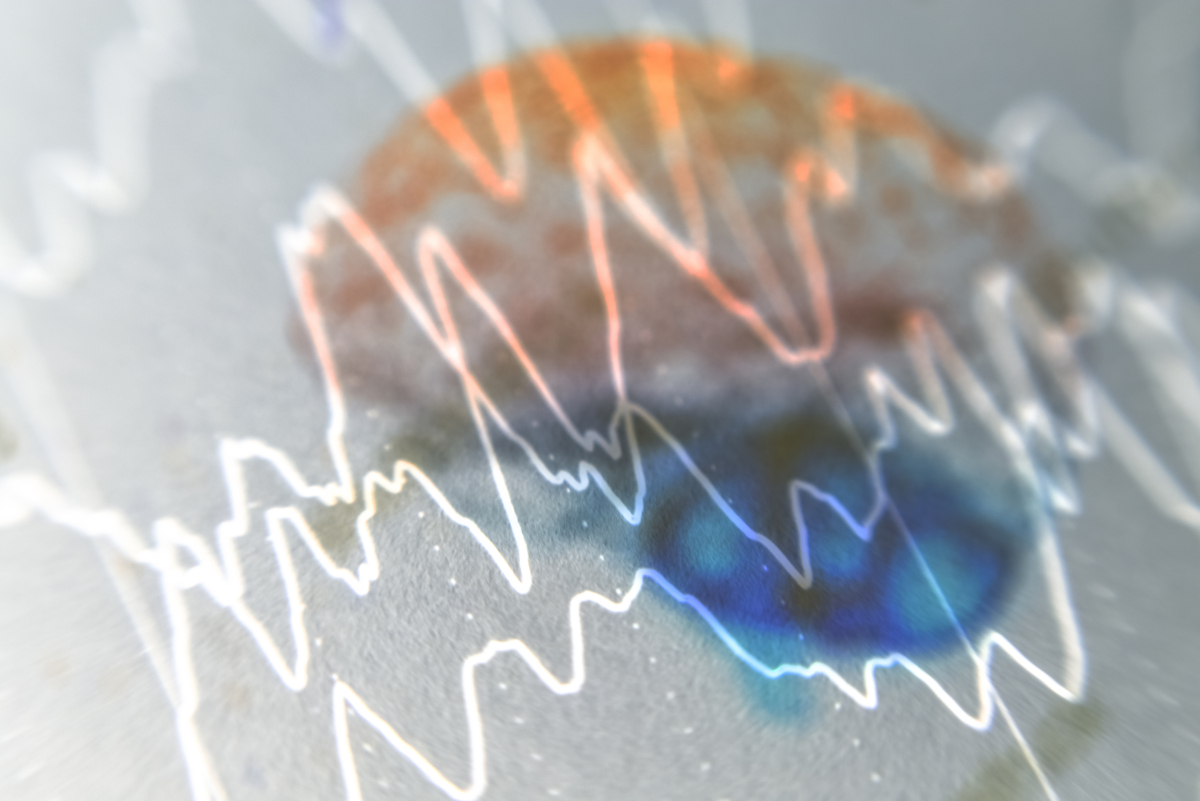
Migraine brains are built for high performance. A migraine brain takes in stimuli more quickly and processes them faster than a non-migraine brain. This special ability is a strength, but it also has a downside. To work well and stay healthy, a migraine brain needs a lot of energy. If the brain of a person with migraine runs short of energy, migraine attacks can occur.

Fuel for the brain: key to preventing migraine attacks

Preventing migraine attacks means taking good care of the brain’s energy supply. The brain depends almost entirely on glucose, a form of sugar, as its fuel. Despite its enormous energy needs, the brain has no real fuel tank. It cannot store large amounts of glucose for later use. If the supply runs out, the brain quickly feels the shortage. That is why it is so important for people with migraine to make sure their diet provides enough glucose to fuel their brain.

What you eat – and, just as importantly, when you eat – makes a real difference. Choosing foods that release glucose slowly, and eating at regular intervals, helps keep the brain well supplied and reduces the risk of attacks.

A balanced blood glucose level helps prevents migraine

The amount of glucose available to the brain is indicated by the blood sugar level. One of the most important principles of migraine prevention is to keep your blood sugar level stable and sufficiently high.

This is why experts recommend complex, whole-food carbohydrates. These are found in foods such as whole-grain bread, oats, vegetables, legumes (beans, peas, lentils, chickpeas), whole-grain pasta, and whole-grain rice. These foods take longer to digest than simple sugars, providing the brain with a slow, steady supply of energy. In contrast, the simple sugars contained in ultraprocessed foods provide energy in short bursts. Simple sugars are common in sweets, chocolate bars, sweetened drinks, jams, chocolate-hazelnut spreads, and sugary breakfast cereals. White flour products such as toast, white bread, and crackers also release glucose very quickly, even without added sugar. All of these foods release glucose into the body very quickly. But why is this a problem, if glucose is exactly what the brain needs?

Blood sugar fluctuations can trigger migraine attacks

After we eat foods high in simple sugars, our blood sugar rises quickly and sharply. The body responds by releasing insulin. Insulin causes cells to take up glucose from the blood. This lowers the levels of glucose in the blood. Hunger signals are sent to the brain again, which can tempt people to reach for the next portion of simple sugar. For people with migraine, these ups and downs in blood sugar are particularly risky. This is because strong fluctuations in energy supply can easily trigger migraine attacks.

If you pay attention to how long you stay full after eating, you can see these differences in glucose supply for yourself. For example, a meal of whole-grain bread with hummus and vegetables keeps you full much longer than jam on toast. When meals that are slowly converted into glucose are eaten at regular intervals throughout the day, an energy shortage doesn’t happen. Cravings do not arise in the first place. If you feel like a sweet treat now and then, the best time to have it is immediately after a main meal, when it will have less of a negative impact on blood sugar levels.

A bedtime snack helps prevent nighttime energy shortages

Many people with migraine experience attacks early in the morning, right after waking up. At first, this might seem difficult to understand. Don’t our brains rest while we sleep and hardly use any energy? So how could they run out of energy? In fact, the brain is very active at night. Important tasks that support the health of the entire body take place during sleep, and these require energy (for more details, read this article). People with migraine therefore need to pay attention not only to daytime meals, but also to preventing an overnight energy gap.

For many, a small bedtime snack helps prevent morning attacks. This snack should contain enough complex carbohydrates to supply the brain with glucose throughout the night, but should be light enough not to disturb sleep. For many people, a slice of whole-grain bread with butter and cheese or a little honey works well.

Regular daily routines make a real difference

After getting up, don’t wait too long to have breakfast. Never skip breakfast. Keep your brain well supplied with energy right from the start of your day. Headache and migraine expert Professor Hartmut Göbel, founder of the Kiel Pain Clinic, offers this advice: “People with migraine usually do well when they eat foods that grow in the fields, rather than food from factories or wrapped in plastic. After breakfast, lunch should follow by about 1 pm. If you get hungry before then, snacks such as nuts, trail mix, sunflower seeds, or pine nuts are good choices. They release carbohydrates slowly, which is ideal for the nervous system.” (A more comprehensive article on the ‘right’ diet for headaches can also be found here.)

Staying hydrated is also essential for healthy brain function (see this article). Along with drinking enough, it is important to do so regularly. Start in the morning and continue throughout the day. Two litres is a good rule of thumb, but you will definitely need more in hot weather or when exercising. Plain water is the best choice. Unsweetened tea can be a good alternative.

Personal prevention: recognising patterns and adjusting your routine

People with migraine can actively reduce how often attacks occur. A key part of this is understanding the personal challenges they face when trying to follow a diet that is healthy for their brain. It is often hard to tell what exactly triggered the last attack. Keeping a simple food log for a while can be helpful. Noting what you ate, when it was eaten, and which meals were skipped in the days before an attack can reveal recurring patterns. The app is specially designed to help you stay ahead of your headaches. Its diary function captures the information you need and highlights connections between eating habits and migraine attacks. The app also allows you to set reminders for regular mealtimes – bedtime snack included – and for staying hydrated. With this support, maintaining these habits every day becomes a lot easier.

  • References
    • Deitmer J et al. Unser hungriges Gehirn: Welche Rolle spielen Gliazellen bei der Energieversorgung? Neuroforum 2017; 23 (1): 2–12. doi: 10.1515/nf-2016-1102
    • Göbel, Hartmut: Erfolgreich gegen Kopfschmerzen und Migräne. 8th edition, Berlin/Heidelberg. 2016. doi: 10.1007/978-3-662-50493-2.
    • Magistretti P et al. A Cellular Perspective on Brain Energy Metabolism and Functional Imaging. Review; Neuron 2015; 86: 883 – 901. doi.org/10.1016/j.neuron.2015.03.035
    • Mergenthaler P et al. Sugar for the brain: the role of glucose in physiological and pathological brain function. Trends Neurosci. 2013; 36(10): 587–597. doi.org/10.1016/j.tins.2013.07.001
    • Roberts CJ, Campbell IC, Troop N. Increases in weight during chronic stress are partially associated with a switch in food choice towards increased carbohydrate and saturated fat intake. Eur Eat Disord Rev. 2014 Jan; 22(1): 77–82. doi: 10.1002/erv.2264. Epub 2013 Oct 4.
    • Spigt M, Weerkamp N, Troost J, van Schayck CP, Knottnerus JA. A randomized trial on the effects of regular water intake in patients with recurrent headaches. Fam Pract. 2012 Aug; 29(4): 370–5. doi: 10.1093/fampra/cmr112. Epub 2011 Nov 23.
    • Stroebele-Benschop N, Dieze A, Hilzendegen C. First come, first served. Does pouring sequence matter for consumption? Appetite. 2016 Oct 1; 105: 731–6. doi:10.1016/j.appet.2016.07.011. Epub 2016 Jul 11.
    • Informationen der Deutschen Gesellschaft für Ernährung e.V. (DGE) – dge.de.
    • Interview Prof. Göbel, Schmerzklinik Kiel, zur Bedeutung der Ernährung für die stabile Energieversorgung des Gehirns https://schmerzklinik.de/kann-die-ernaehrung-bei-migraene-eigentlich-auch-zur-therapie-werden Accessed 01 Dec 2025